
Recent Posts
08.20.26 Outdoor String Light Safety: Why Outdoor Outlet Installation Comes Before the Lights Go Up
08.05.26 The Importance of Backup Generators for Home HVAC Systems
06.12.26 Ceiling Fan Direction for Summer: What Frederick Homeowners Need to Know
01.29.26 5 Surge Protection Tips Every Homeowner Should Know
11.26.25 Holiday Electrical Risks to Watch For and When to Schedule an Electrical Safety Inspection
08.31.26
Whole-House Surge Protection: Protect Your HVAC After a Storm
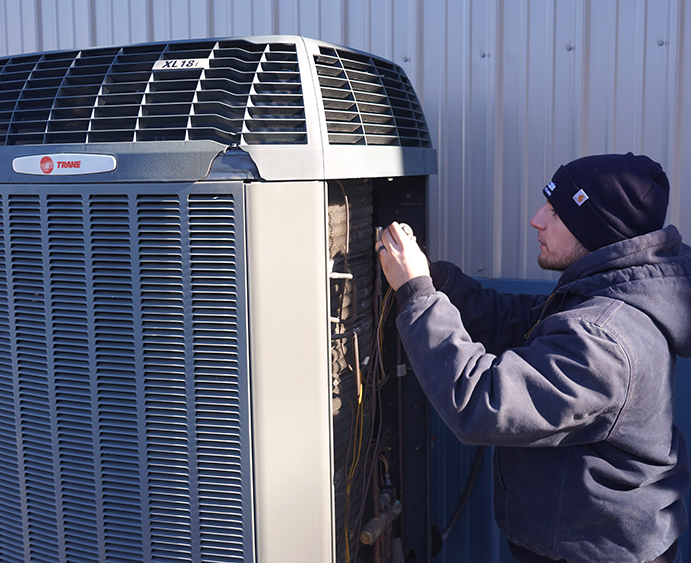
Summer storms roll through Frederick County fast, and the power flickering is only half the problem. The real danger often comes a few seconds later, when the utility grid snaps back on and sends a spike of voltage racing through your home’s wiring. It has the potential to fry expensive equipment, and your HVAC system is usually sitting right in its path. That could spell trouble… unless you have whole-house surge protection.
The Storm Threat Nobody Warns You About
Most homeowners brace for the outage itself. They strategically place candles and flashlights throughout the house, and steps are taken to save perishable food. Fewer people consider that the following surge can do more damage than the storm did. Surges tend to come from three places:
- The voltage spike that hits when the utility restores power after an outage
- A direct or nearby lightning strike traveling through the electrical system
- Utility grid switching, which can send unexpected jolts through the line even without a storm in sight
A backup generator and whole-house surge protection solve two different problems. A generator keeps your HVAC system running during the outage. It’s what protects that same system when the power comes back. If you haven’t already, we recommend you read our post on backup generators for home HVAC systems as a companion to this one.
Why Your HVAC Is the Most Expensive Thing a Surge Can Fry
A power surge doesn’t discriminate, but it does find the most sensitive components first. In a modern HVAC system, that means:
- The compressor
- Control and circuit boards
- Capacitors
- Smart thermostats
These parts can be expensive to replace. A single fried compressor or furnace control board typically costs several times more to repair than it costs to install an HVAC surge protector in the first place.
A surge doesn’t have to come from a storm at all. Every time your AC compressor or a window unit cycles on and off, it creates a small surge of its own, which means a share of surge damage can originate from right inside the home.
What’s Whole-House Surge Protection?
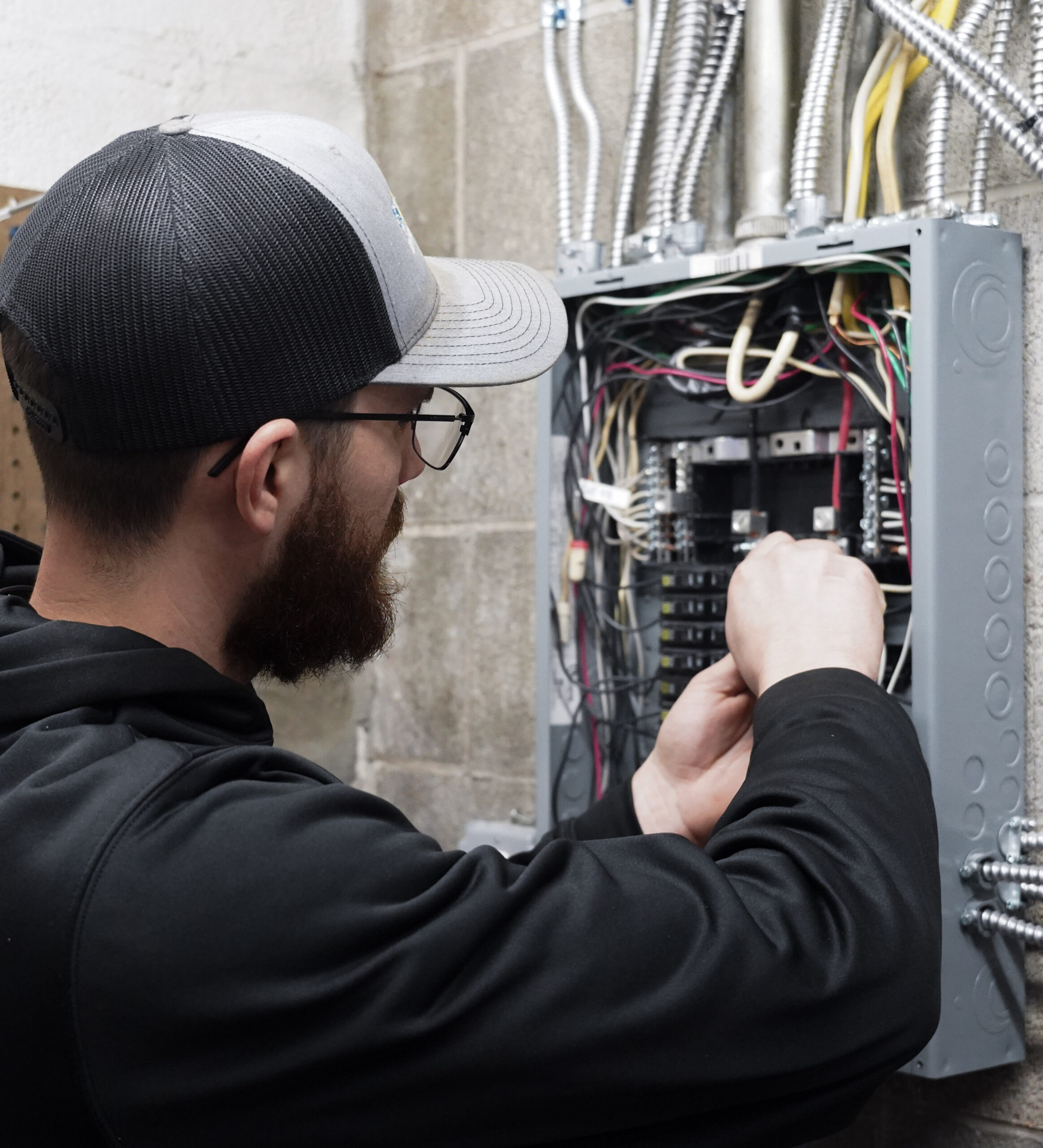
Put simply, whole house surge protection is a device installed at your electrical panel that detects excess voltage and diverts it safely to ground before it reaches your appliances.
There are generally two main types: one installed further upstream near the meter or main service, and one installed at the panel itself. Both work toward the same goal, and a licensed electrician can walk you through which setup makes sense for your home. If you’re shopping for a surge protector for HVAC equipment specifically, the panel-level installation is usually the piece that matters most. It’s what stands between the grid and every hardwired system in your house.
Whole House vs. Power Strip: Why Outlet Protectors Can’t Save Your AC
A power strip only protects what’s plugged into it. Your HVAC system is hardwired directly into your electrical panel, so outlet-level devices can’t do anything to shield it.
The smartest approach is layered: a whole-house unit at the panel to protect your major hardwired systems, plus point-of-use power strips for sensitive electronics like computers and entertainment equipment. One doesn’t replace the other.
Is a Surge Protector for HVAC Equipment Worth It?
HVAC surge protector cost depends on your panel setup, your home’s wiring, and what level of protection you’re adding, so it’s worth getting a firm number from Holtzople rather than relying on a generic estimate. If cost is the main thing holding you back, keep in mind it’s a fraction of what a single HVAC repair after a surge would be.
A few things to consider when planning:
- Surge protection devices don’t last forever. Like most electrical equipment, they wear out over time and eventually need replacement.
- Coverage for surge damage varies by homeowners insurance policy, so double check with your provider rather than assuming you’re covered.
- Weighed against the cost of replacing a single fried compressor or control board, a whole-house unit is a comparatively small investment for the protection it provides.
When to Add Surge Protection (And Who Should Install It)
A few signs it’s time to look into this seriously:
- Your electrical panel is older or hasn’t been updated in years
- You’ve already lost an appliance or piece of equipment to a surge
- You’re heading into another stormy season
- You’ve recently invested in a new HVAC system or smart home equipment
Surge protection isn’t a DIY project. It has to be installed correctly at the panel by someone who understands how your home’s equipment draws power. Whether you’re adding an HVAC surge protector for the first time or upgrading an aging one, professional installation is what makes it work correctly. Holtzople’s licensed electricians and HVAC technicians work together on this kind of job, which means the surge protection services we provide account for both the electrical side and the HVAC side of your system.
Don’t Wait for the Next Storm
Everyone prepares for the outage, but what about the surge? That’s the part that does the damage. Luckily, it’s largely preventable. If your home hasn’t been evaluated for whole-house surge protection, now is the right time.
Reach out to Holtzople to schedule an assessment and learn more about our surge protection services.
Contact us to learn more about stress-free maintenance with the Holtzople Comfort Club – Enjoy the following and more!
- Priority scheduling
- Discounts
- Seasonal maintenance
- Peace of mind