
Recent Posts
02.16.26 Five Signs a Furnace Repair Might Be In Your Future
01.19.26 Furnace Not Turning On? Here’s A Troubleshooting Guide
12.15.25 The Hidden Cost of Skipping Furnace Maintenance This Holiday Season
10.16.25 Oil vs. Gas Heat: Which System Is Best for You This Winter?
09.10.25 Heating System Maintenance to Prepare for Cooler Weather
10.13.26
UV Light for Furnace Systems: Should You Put One on Yours?
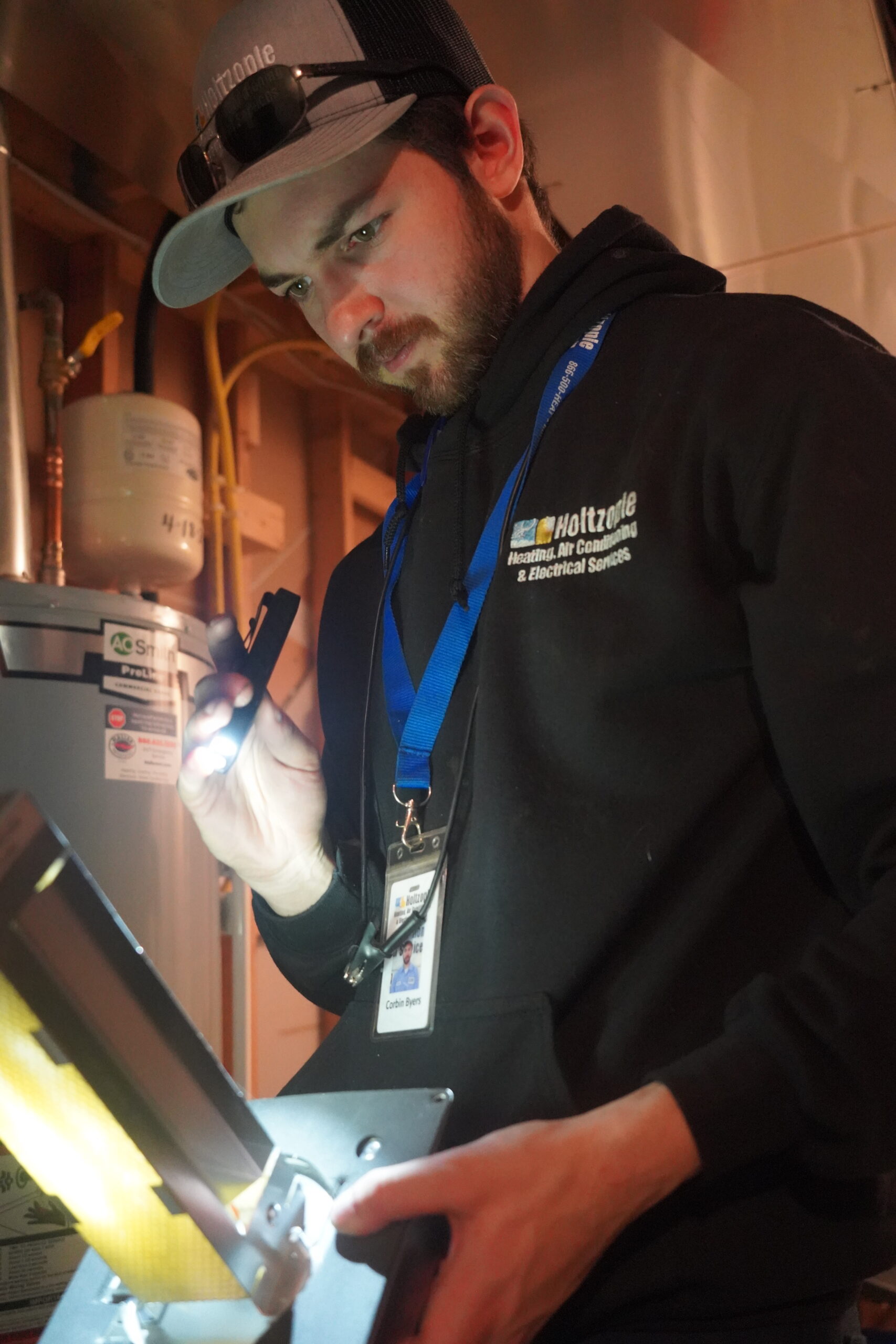
It’s HVAC system tune-up season, otherwise known as fall. Maybe, in the course of the inspection, your technician mentioned adding a UV light. What should you do? Is it a smart upgrade or an upsell? The answer depends on whether you have central AC working alongside your furnace, and whether moisture has caused trouble in your system before. Here’s what a UV light for furnaces can do, where it goes, who it’s right for, and what to ask before you buy. Plus, we’ll answer a question homeowners often ask us (and search for first): what’s the disadvantage of UV light in HVAC systems?
What a UV Light for Furnace Systems Does
A UV light uses UV-C, a type of ultraviolet light that scrambles the genetic material of bacteria, mold,* and viruses so they can’t multiply. It’s mounted inside your HVAC system.
Think of a UV furnace light as having two jobs:
- Keeping your AC coil clean (its strong suit): Your AC’s indoor coil and drain pan stay damp all summer, and that moisture invites biological growth. A UV light aimed at the coil keeps that growth from taking hold. In one study cited by the EPA, UV cut microbial growth on exposed system surfaces by 99%. A cleaner coil means better airflow, fewer musty odors, and fewer clogged condensate lines.
- Treating the air (more modest): As air rushes past the UV bulb, its light neutralizes some of the airborne germs. The exposure only lasts a split second, though, so the effect is limited. The same study found a 25 to 30% drop in airborne bacteria.
In short, the coil is where a UV light does its best work, and cleaner air is a bonus. For a deeper look at the air quality side, here’s how UV lights improve indoor air quality in your HVAC system.
Where a Furnace UV Light Goes (and Why It Matters)
In most homes, the AC’s indoor coil sits right on top of the furnace. A coil light mounts there, aimed at the coil, while an air light mounts in the nearby ductwork. That’s why it’s sold as a furnace add-on, even though its heaviest lifting happens on the cooling side.
Here’s how that plays out through the year:
- Summer: Your coil is cold and wet, and that’s where growth builds. This is when a coil light is most effective.
- Winter: With the furnace running, the coil stays dry and there’s less growth to fight. The light still treats the air every time the blower kicks on, however.
- Homes cooled by window units: No central AC means no coil to protect, so you’d only be paying for air treatment.
Don’t know what’s sitting on top of your furnace? A technician can tell you at a glance during your next heating tune-up.
Who Should Get One (and Who Can Skip It)
A UV light for furnace systems makes the most sense when moisture is part of the picture. Humid Maryland and Pennsylvania summers keep coils damp for months, so plenty of local homes check these boxes.
It’s probably worth it if:
- You have central AC, with its indoor coil sitting on top of your furnace.
- A technician has had to clean your coil or clear a clogged condensate drain.
- You notice a musty smell when the AC kicks on.
- Your furnace sits in a damp basement or utility room.
- You want an extra layer of protection alongside good filtration.
You can probably skip it (for now) if:
- You cool your home with window units instead of central AC.
- Your main complaint is dust, pollen, or pet dander.
If you landed in the second list, check out other indoor air quality upgrades, like an air scrubber or a whole-home dehumidifier.
What’s the Disadvantage of UV Light in HVAC Systems?
None of these are dealbreakers, but it’s worth knowing them going in:
- Bulbs need replacing every year or two. A bulb can keep glowing after its UV output fades, so you can’t tell it’s done just by looking.
- Air treatment has limits. Air moves past the bulb too fast for a strong dose, and mold spores are especially tough to kill. A furnace UV light doesn’t capture dust or dander at all, so you’ll still need a good filter.
- Some bulbs produce ozone. Uncoated bulbs can create ozone, which irritates the lungs. Look for a system that’s validated as ozone-free.
- UV can wear down nearby materials. Over time, UV-C can break down some plastics and wiring, so placement is a delicate matter. That makes installation a job for a pro.
- The light isn’t eye-safe. A lit UV-C bulb can hurt your eyes and skin, so the system needs to be powered down before anyone opens it up.
What to Ask Before UV Light for Furnace Installation
If you’re leaning toward a UV furnace light, ask these questions before you commit:
- Do I need a basic UV light, or one that also targets odors or fine particles?
- Is the system validated ozone-free?
- How often does the bulb need replacing, and what does a new one cost?
- What’s the warranty?
- Can bulb swaps happen during my regular maintenance visits?
A good installer should answer all five without hesitation. At Holtzople, the conversation starts with which Fresh-Aire UV system fits your home:
- Blue-Tube: A UV-only light that helps keep growth off your coil and treats the air passing by.
- APCO-One and APCO-X: These pair UV-C light with a catalyst that Fresh-Aire says breaks down household odors and VOCs (volatile organic compounds), too.
- Enhance-Ion: This adds ionization designed to help your filter catch particles smaller than 2.5 microns.
Holtzople installs these systems in homes across Maryland and Pennsylvania. Most come with a lifetime parts and labor warranty plus a 2-year bulb warranty. 0% financing is available for those who qualify. Some Comfort Club plans also include 10% off enhancements like UV lights.
Upgrade or Upsell? Here’s the Call
If you have central AC and moisture has been a problem, a UV light for furnace systems is a smart, low-maintenance upgrade that keeps your coil cleaner and your airflow stronger. If you don’t have central AC, or your main issue is dust and allergens, put that money toward better filtration first. Still not sure? Talk to Holtzople about UV light for furnace installation, and a technician will look at your setup and give you a straight answer.
*Holtzople Heating, Air Conditioning & Electrical Services cannot confirm whether biological growth is mold. A qualified mold specialist would be required to properly identify and confirm the presence of mold.
Contact us to learn more about stress-free maintenance with the Holtzople Comfort Club – Enjoy the following and more!
- Priority scheduling
- Discounts
- Seasonal maintenance
- Peace of mind